When to Repair vs Replace Your Water Heater: A Guide from A2Z Water Heaters
Few home appliances are as easy to take for granted as your water heater — until the moment it stops working. When that day comes, homeowners face a critical decision: should you repair the unit you have, or is it time to replace it entirely? At A2Z Water Heaters, we’ve helped countless Sacramento-area homeowners navigate this exact question. With 20 years of experience and a general contractor and plumbing license, Fred Ford has seen every scenario imaginable. Here’s what he wants you to know.
The Age of Your Water Heater Is the First Thing to Consider
The single biggest factor in the repair-versus-replace decision is how old your water heater is. Most traditional tank water heaters — whether gas or electric — have a lifespan of 8 to 12 years. If your unit is approaching or past that range, a repair may only delay the inevitable, and you could end up paying twice: once for the fix and again for a replacement shortly after.
If your water heater is under 5 years old and still under warranty, repair is almost always the right call. A relatively young unit with a single problem — a faulty thermostat, a bad heating element, or a worn anode rod — can often be brought back to full performance.
The sweet spot — units between 5 and 10 years old — requires a more nuanced evaluation, which is exactly where a getting an estimate from a licensed plumber becomes valuable.
Common Repairs That Are Usually Worth It
Not every water heater problem signals the end of the road. Some issues are straightforward and affordable to fix, even on older units:
- Pilot light or ignition problems on gas water heaters are often simple fixes that don’t affect the long-term health of the unit.
- Gas control valve replacement is one of the most common repairs we perform at A2Z Water Heaters. The gas control valve regulates the flow of gas to your burner and pilot light, and when it fails, you may notice your water isn’t getting hot, the pilot won’t stay lit, or the unit is cycling erratically. A faulty valve doesn’t mean your water heater is done — in many cases, swapping it out restores the unit to full performance at a fraction of the cost of a new installation.
- Pilot assembly replacement is another repair we handle frequently. Over time, the thermocouple or thermopile within the pilot assembly can wear out, causing the pilot to fail to light or refuse to stay lit. This is often misread as a sign that the whole unit needs to go, but in reality it’s a targeted fix that can add years of reliable life to an otherwise healthy water heater.
If the repair cost is less than 50% of what a new unit would cost, and your water heater is in its earlier years, repair is generally the financially sound choice.
Signs It’s Time to Replace
On the other hand, some warning signs point clearly toward replacement. Here’s what Fred and Joey at A2Z Water Heaters look for:
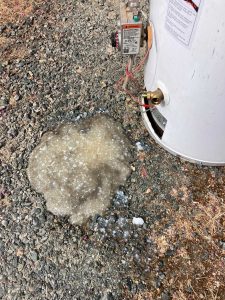
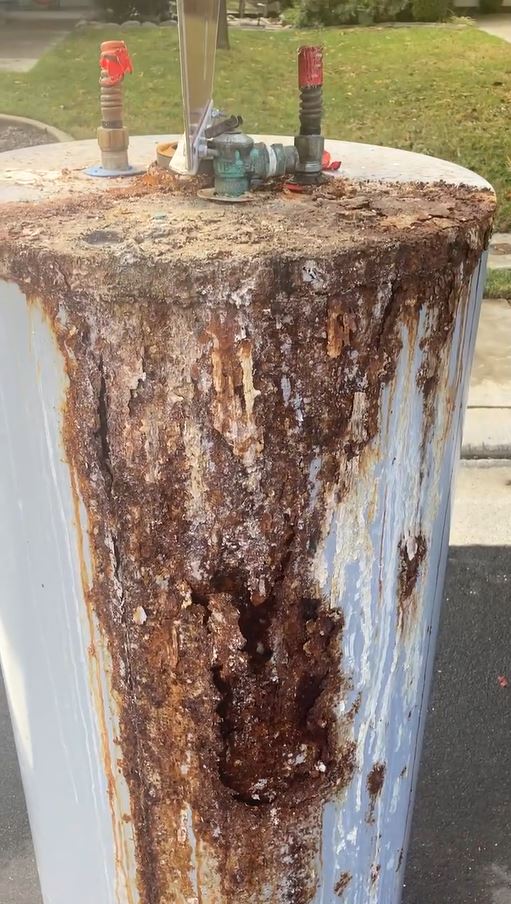
- A Leaking Tank This is the clearest signal that replacement is necessary. Once the tank itself is compromised — as opposed to a leaking fitting or valve — there is no reliable repair. A leaking tank will only get worse,and the water damage it can cause to your garage, floors, or walls can far exceed the cost of a new water heater. Don’t wait on this one.
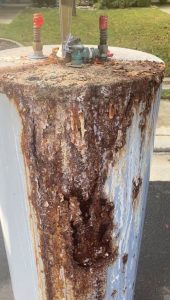
- Rusty or Discolored Water If the hot water coming out of your taps has a reddish or brownish tint, it’s often a sign that the interior of your tank is corroding. While a deteriorating anode rod can sometimes cause this, significant internal rust typically means the tank is nearing the end of its life. In many cases, replacement is the only lasting solution.
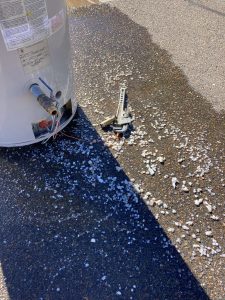
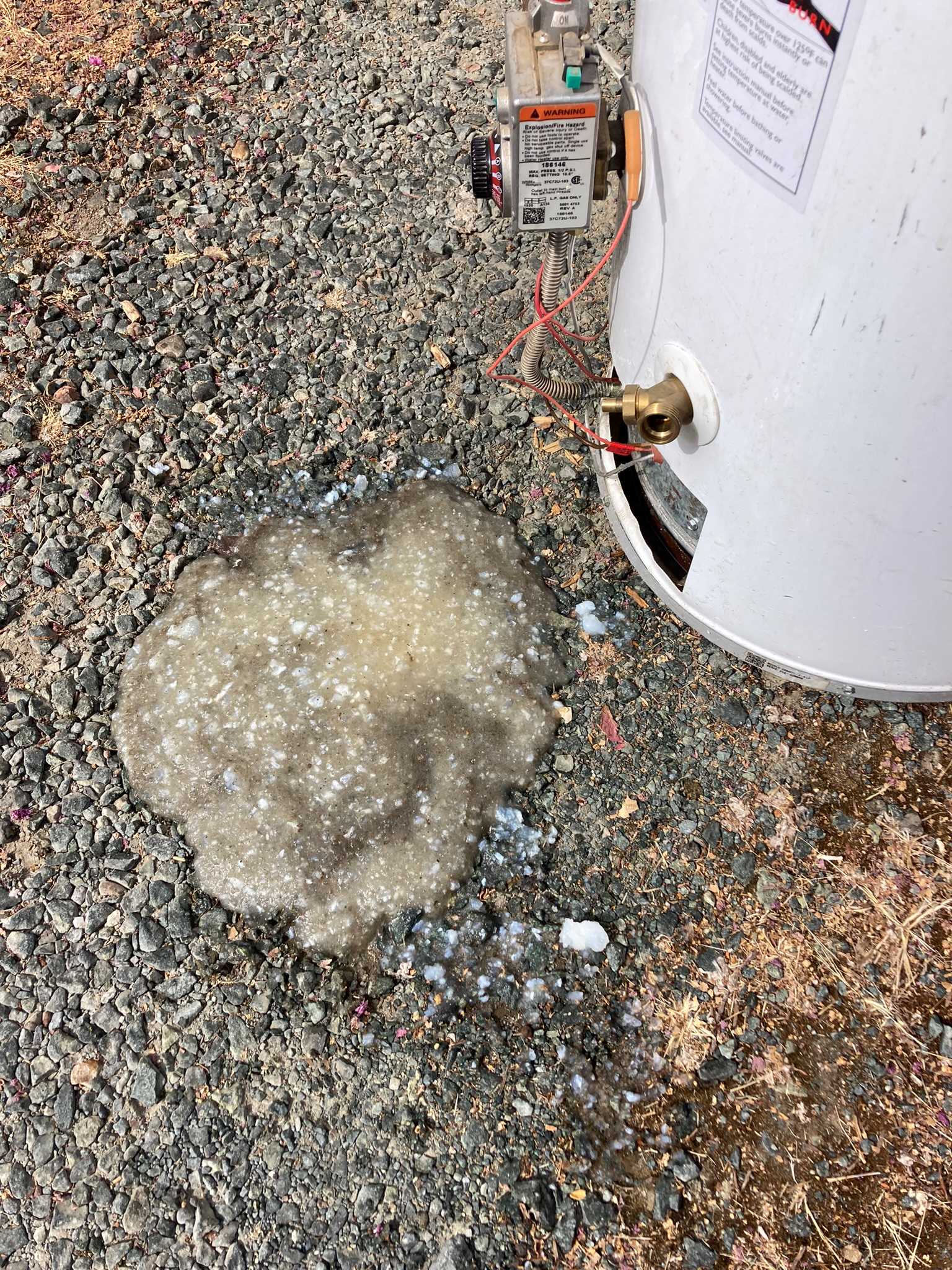
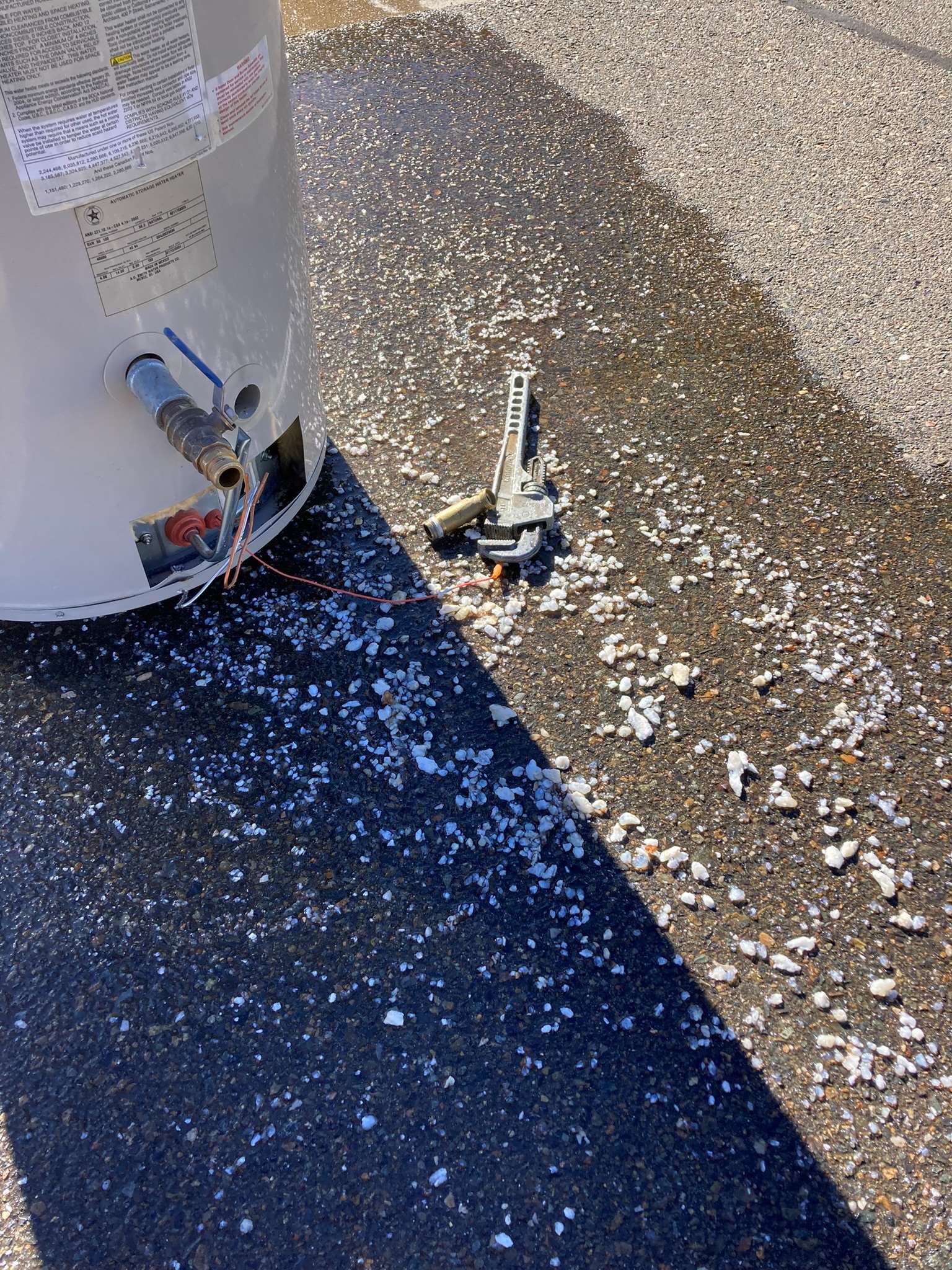
- Rumbling or Popping Noises Over time, sediment from hard water builds up at the bottom of your tank. As the water heater works to heat water through this layer of buildup, you may begin to hear rumbling, popping, or banging sounds. This sediment reduces efficiency, increases wear on the tank, and often indicates that the unit is working much harder than it should be. Flushing the tank may provide temporary relief, but heavy sediment buildup in an older unit is usually a sign that replacement is the smarter investment.
- Inconsistent Hot Water If your water heater is struggling to maintain temperature or running out of hot water faster than it used to, it could be a sign of failing heating elements, significant sediment buildup, or a tank that’s simply too worn to perform reliably. On a younger unit, the cause is often repairable. On an older one, this kind of decline in performance usually signals the beginning of the end.
California Code Compliance: Why Replacement Can Be an Opportunity
One thing many homeowners don’t realize is that replacing a water heater in California isn’t simply a matter of swapping one unit for another. California has some of the strictest building codes in the country, and a water heater replacement must bring the entire installation up to current standards. If your water heater is very old, it is likely very out of date.
This means that when you replace your water heater, the installation may also need to include:
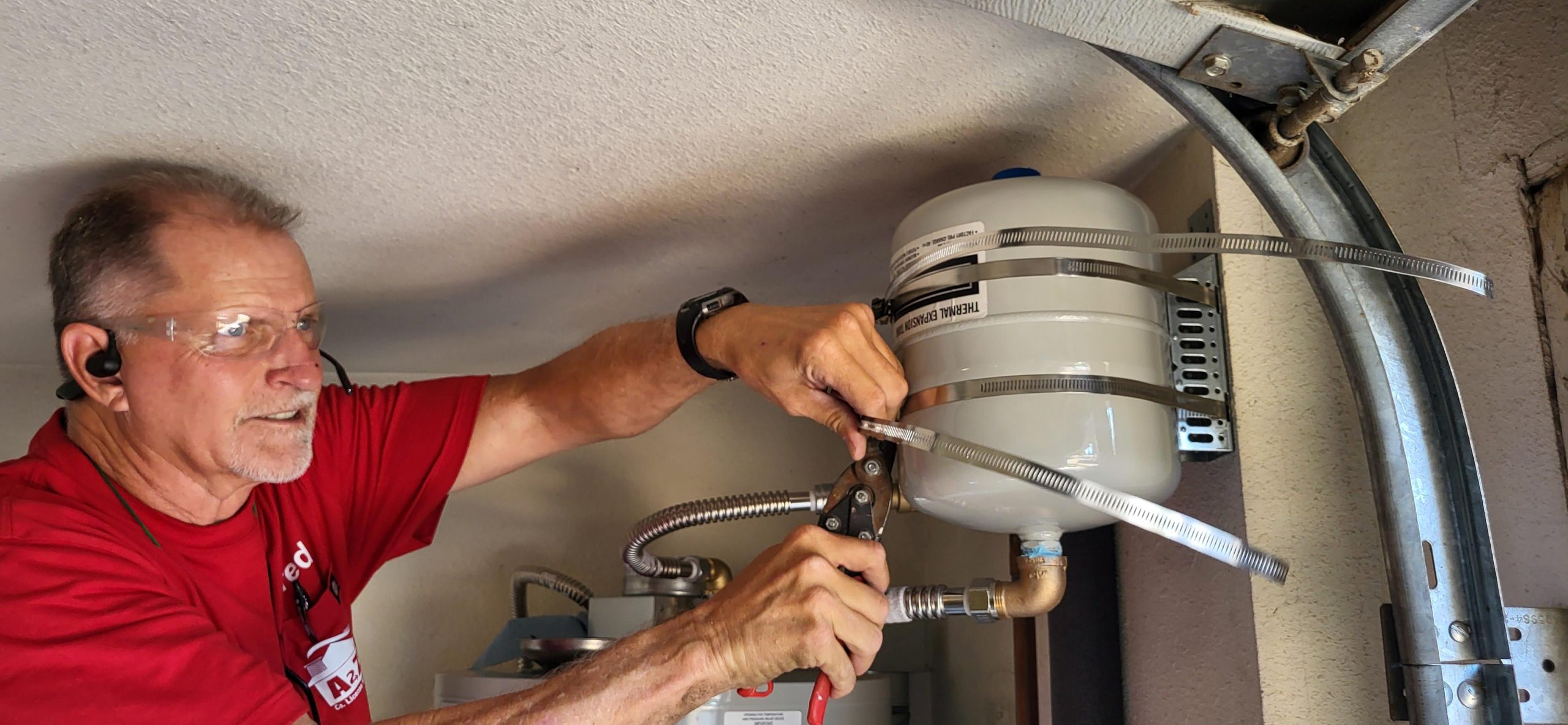
- An expansion tank, which is required in closed plumbing systems to manage pressure from thermal expansion and protect your pipes and fixtures.
- A properly installed stand, if your water heater is located in a garage. Both gas and electric water heaters must be elevated off the garage floor to comply with California’s fire safety requirements.
- Updated seismic strapping, which is required throughout California to prevent water heaters from tipping during an earthquake.
- A correctly plumbed drain pan, to direct any leaks safely away from the structure.
For homeowners who have been running an older, non-compliant installation for years, a replacement is actually a chance to get everything up to code — which matters when it comes to home inspections, insurance claims, and resale value. At A2Z Water Heaters, we handle every one of these requirements as part of every installation, so you never have to worry about whether your system meets California’s standards.
The Value of Getting A Free Estimate
The challenge with the repair-versus-replace decision is that the right answer genuinely depends on the specific condition of your unit — and that’s not something you can always determine from the outside. Two water heaters of the same age and brand can be in very different condition depending on water quality, usage patterns, and maintenance history.
That’s why the best first step is always a professional estimate. Fred Ford has 20 years of experience evaluating water heaters across the Sacramento area, and his team can quickly identify what’s going on with your unit, give you an honest recommendation, and provide a clear estimate for either repair or replacement. There’s no pressure and no upselling — just straightforward advice from someone who has been in the industry long enough to know that a happy customer is worth far more than a single transaction.
Don’t Wait Until You’re Without Hot Water!
One of the most common mistakes homeowners make is waiting until their water heater has completely failed before taking action. At that point, you’re making a rushed decision under pressure, often without hot water and without the time to weigh your options carefully. If your water heater is showing any of the warning signs listed above, or if it’s approaching the 10-year mark, it’s worth getting an estimate now — before a minor issue becomes a major emergency.
At A2Z Water Heaters, we make the process easy. Call Fred directly on his personal phone at 916-402-9006 to schedule a free estimate from him and his son-in-law Joey. As a family-owned business, we take every job personally, and we’re committed to giving you the honest, expert guidance you need to make the right decision for your home.